
The Great Noontide as Threshold
Thus Spoke ZarathustraThis flow develops the great noontide from a promised future moment into a threshold between humanity’s inherited past and a still-unrealized future.
increasing Bearing strength in each event
 decreasing
Bearing strength in each eventdecreasingThe Middle of the Crossing
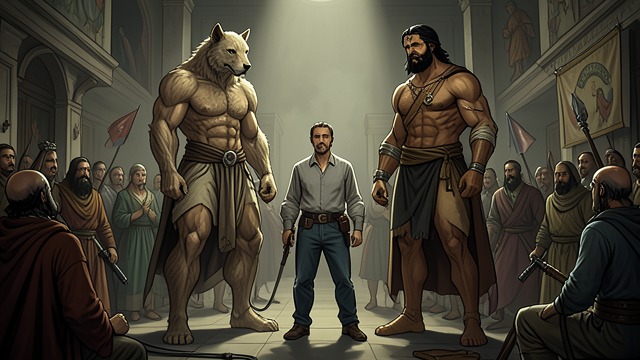
The Middle of the Crossing
Humanity placed between forms
Zarathustra describes the great noontide as the point where humanity stands between animal and Superman. The image makes transition itself a moment of value.
Down-going becomes passage
The movement downward does not mean simple defeat. It becomes a going-under that may lead toward a new morning and a transformed humanity.
A Distant Future Invoked
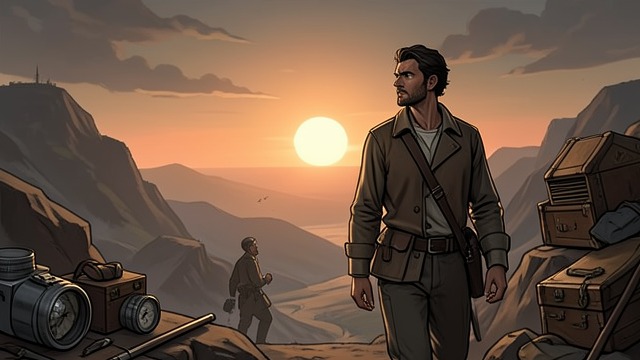
A Distant Future Invoked
Hope organized around what is coming
Zarathustra asks his followers to look beyond present satisfaction toward a future worthy of their effort. The great noontide gives their self-overcoming a direction.
No immediate fulfillment
The promised transformation remains distant. The image motivates action without claiming that current followers have already achieved it.
The New Law-Tables Await
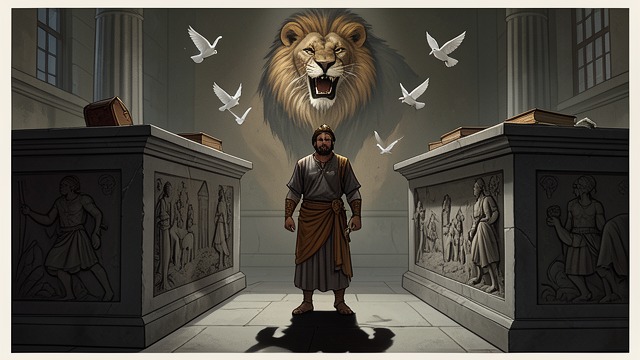
The New Law-Tables Await
A descent postponed
Zarathustra waits among old and unfinished new law-tables for a sign that it is time to return to people. His hesitation reflects the burden of taking responsibility for future values.
The lion as signal
He imagines a laughing lion and doves as the sign of his hour. The future must appear through a form that joins strength with joy.
The Higher Men as Omen
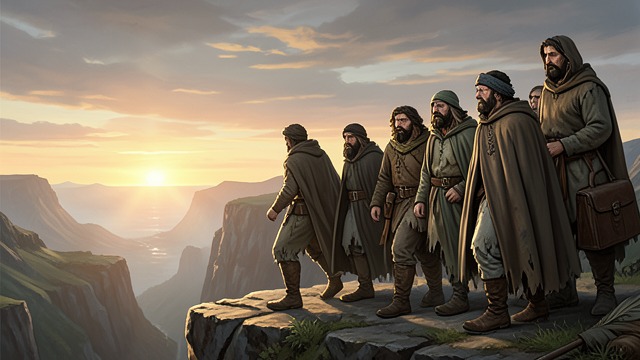
The Higher Men as Omen
A partial approach to the future
The Higher Men arrive with dissatisfaction and longing, showing that the present is no longer fully at ease with itself. Their arrival suggests a change in the human horizon.
A limit recognized
Zarathustra says they are still not strong enough to embody the future. The threshold is visible, but the travelers have not yet crossed it.
Morning Begins Again
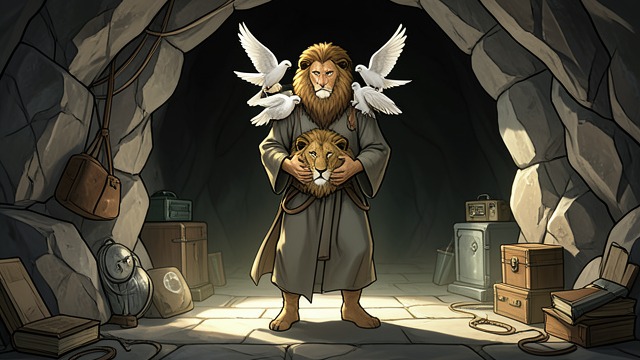
Morning Begins Again
The sign arrives
The lion and doves gather around Zarathustra after the Higher Men flee. He recognizes the event as a sign that the time for his work has come.
A threshold, not a conclusion
Zarathustra leaves the cave glowing and strong. The great noontide remains ahead, but the book closes with renewed readiness to approach it.
At the end of Part One
During the closing discourses of Part One
Part Three, while Zarathustra waits in his cave
Part Four, when the visitors reach Zarathustra’s cave
At the book’s final scene
